

OVERVIEW
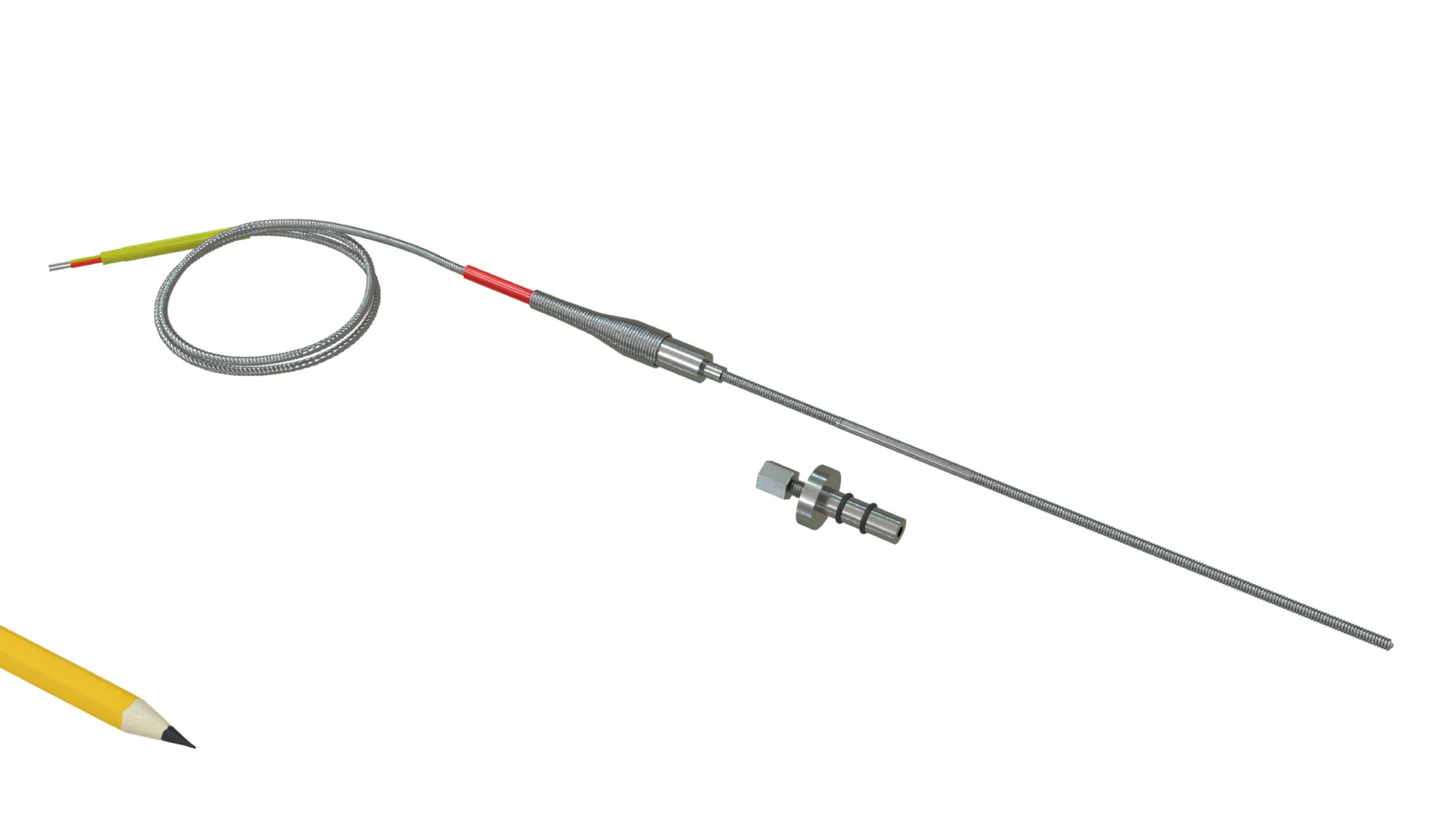
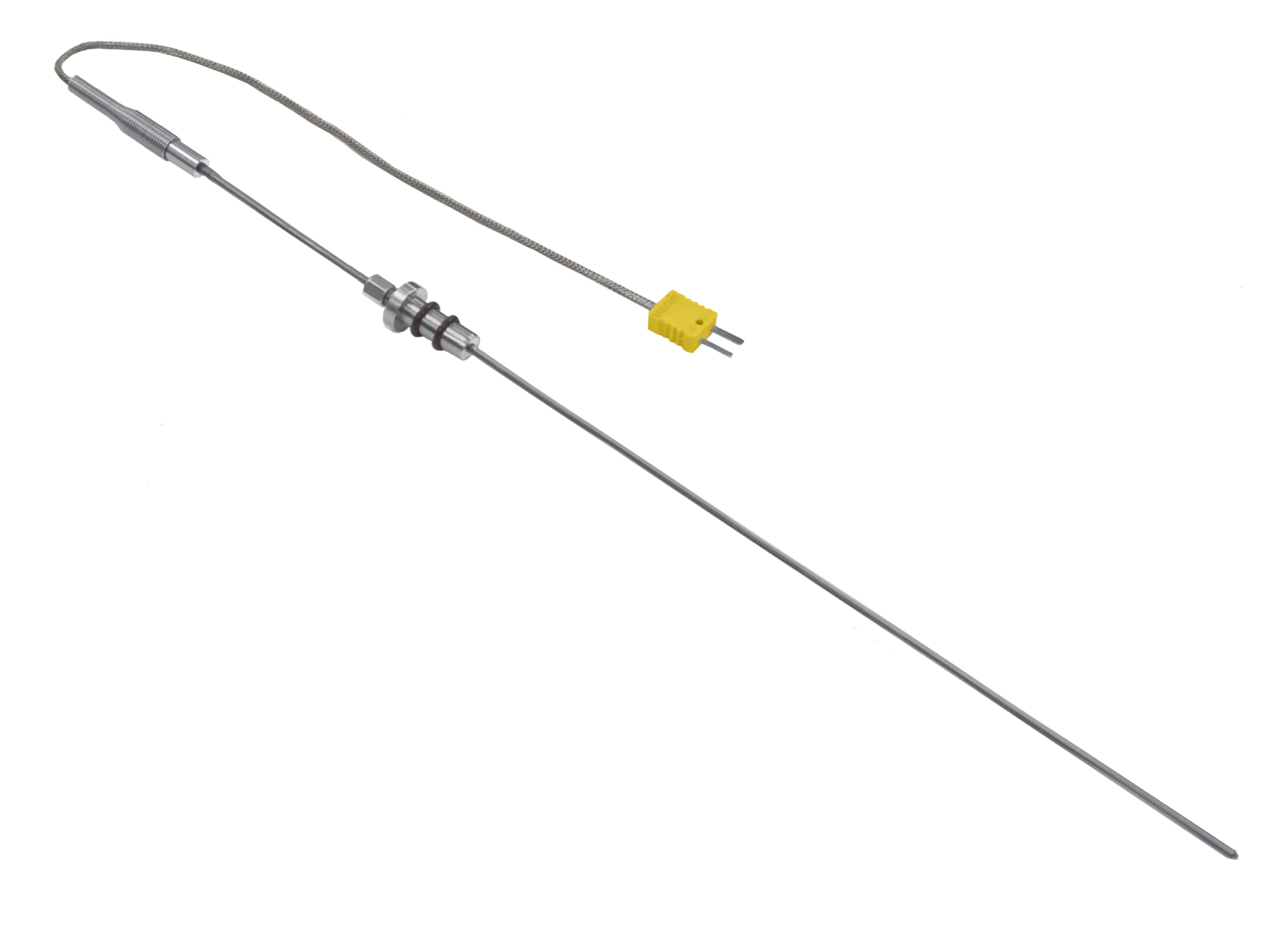
• Type K thermocouple
• Probe is bendable
• Includes adjustable fitting
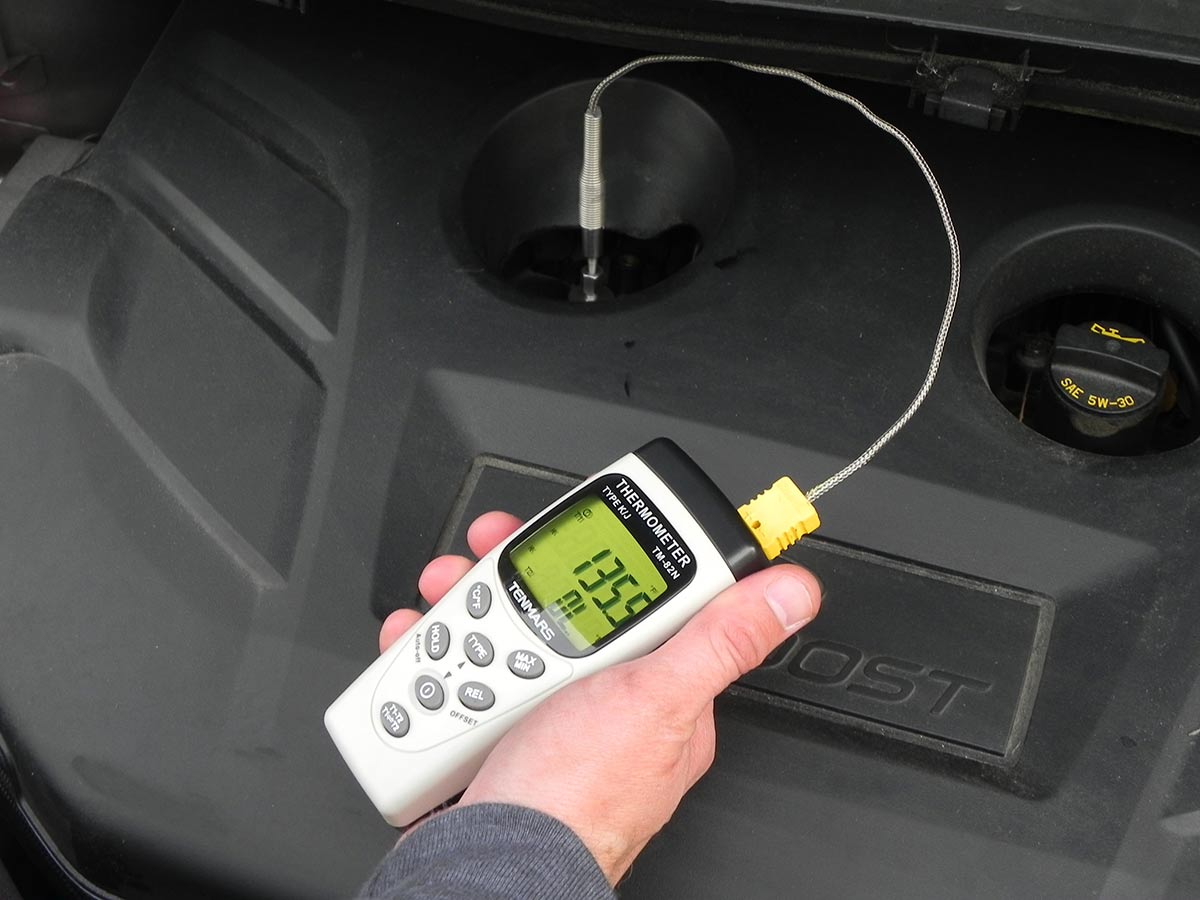
• Ideal for Oil, Water, & Transmission fluid temperature measurements
MADE IN THE USA
Our Oil Dipstick Thermocouple Sensors are engineered for oil, water, & transmission temperature measurements. Made in the USA using high quality materials. Compatible with our DPG-SD, PMD1XT, MPG-4, and MPG-12 digital temperature gauges
IMPORTANT NOTE: Please confirm with your instrument manufacturer that the instrument is compatible with a Type K thermocouple sensor.
TECHNICAL SPECIFICATIONS
Thermocouple type: | Type K |
Accuracy: | +/-0.4% of reading or about +/- 1.1°C (Special Limits of Error) |
Measuring Range: | -328°F to 2300°F (-200°C to 1300°C) |
Sheath Material: | Inconel |
Sheath Insulation: | Magnesium Oxide (MgO) |
Sheath Length: | Per customer spec |
Sensing Junction: | Ungrounded |
Included Compression Fitting: | 316 stainless steel, adjustable, Teflon ferrule |
DOCUMENTS & DOWNLOADS
VIDEOS
RELATED PRODUCTS
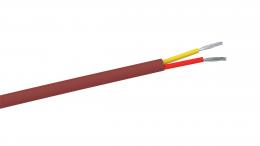
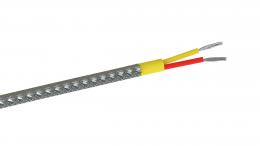
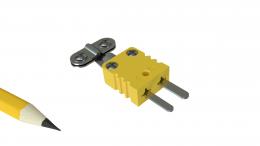
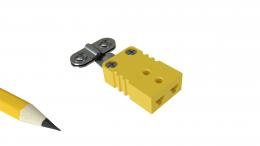
About - Oil Dipstick Thermocouple Temperature Probe
The Case for Dipstick-Entry Oil Temperature Measurement
Adding an oil temperature sensor to an engine that was not designed with a dedicated oil temperature port typically requires modifying the oil pan, adapting the oil pressure sender location, or installing an in-line adapter in the oil circuit. Each of these approaches introduces additional fittings and potential leak paths into the lubrication system.
The ODTC Series takes a different approach: a bendable mineral-insulated probe is routed through the dipstick tube, positioning the thermocouple junction directly within the oil sump using the access path already provided by the engine manufacturer.
This installation method requires no drilling, no welding, and no modification to the oil system. A stainless steel compression fitting with a Teflon ferrule seals at the dipstick tube opening and locks the probe at the correct depth to keep the sensing junction submerged in oil at operating level. Multiple fitting sizes with dual O-ring sealing are available to match different dipstick tube diameters.
Probe Material Selection: Inconel Sheath in an Oil Environment
The probe is typically constructed with an Inconel 600 sheath, although 304 stainless steel is also available depending on configuration.
Hot engine oil is a chemically active environment containing combustion byproducts, sulfur compounds, oxidation products, and additive packages. Inconel provides improved resistance to this combination of temperature and chemical exposure, helping maintain sheath integrity and long-term stability.
The thermocouple uses an enclosed, ungrounded junction, isolating the sensing element from the sheath and reducing the potential for measurement drift caused by interaction between the sheath material and the oil environment.
MgO (magnesium oxide) insulation is used inside the mineral-insulated probe. While MgO is hygroscopic, moisture ingress is not a concern in a fully oil-submerged application. Its primary benefit here is thermal stability and compatibility with the expansion characteristics of the sheath material.
Temperature Range and Performance
The ODTC probe is available in Type E, J, K, or T thermocouple calibrations, allowing compatibility with a wide range of instruments.
- Accuracy: ±0.4% of reading or ±1.1°C (Special Limits of Error)
- Probe diameter: 0.125" (3.2 mm)
- Response time: approximately 600 ms (time constant)
Response time is defined as the time required to reach 63.2% of a step temperature change.
Custom Configuration and Gauge Compatibility
Because dipstick tube geometry varies significantly across engine platforms — including differences in tube diameter, length, and routing — the ODTC is a custom-configured product. Probe length, sheath length, and bend geometry are specified to match the installation.
Contact The Sensor Connection with the dipstick tube inner diameter, insertion depth, and any required bend geometry to determine the appropriate configuration.
Once installed, the probe connects to any compatible thermocouple instrument. The Sensor Connection gauge lineup — including PMD1XT, MPG-4, and MPG-12 — supports these inputs for real-time display and data logging without requiring additional signal conditioning.