

OVERVIEW
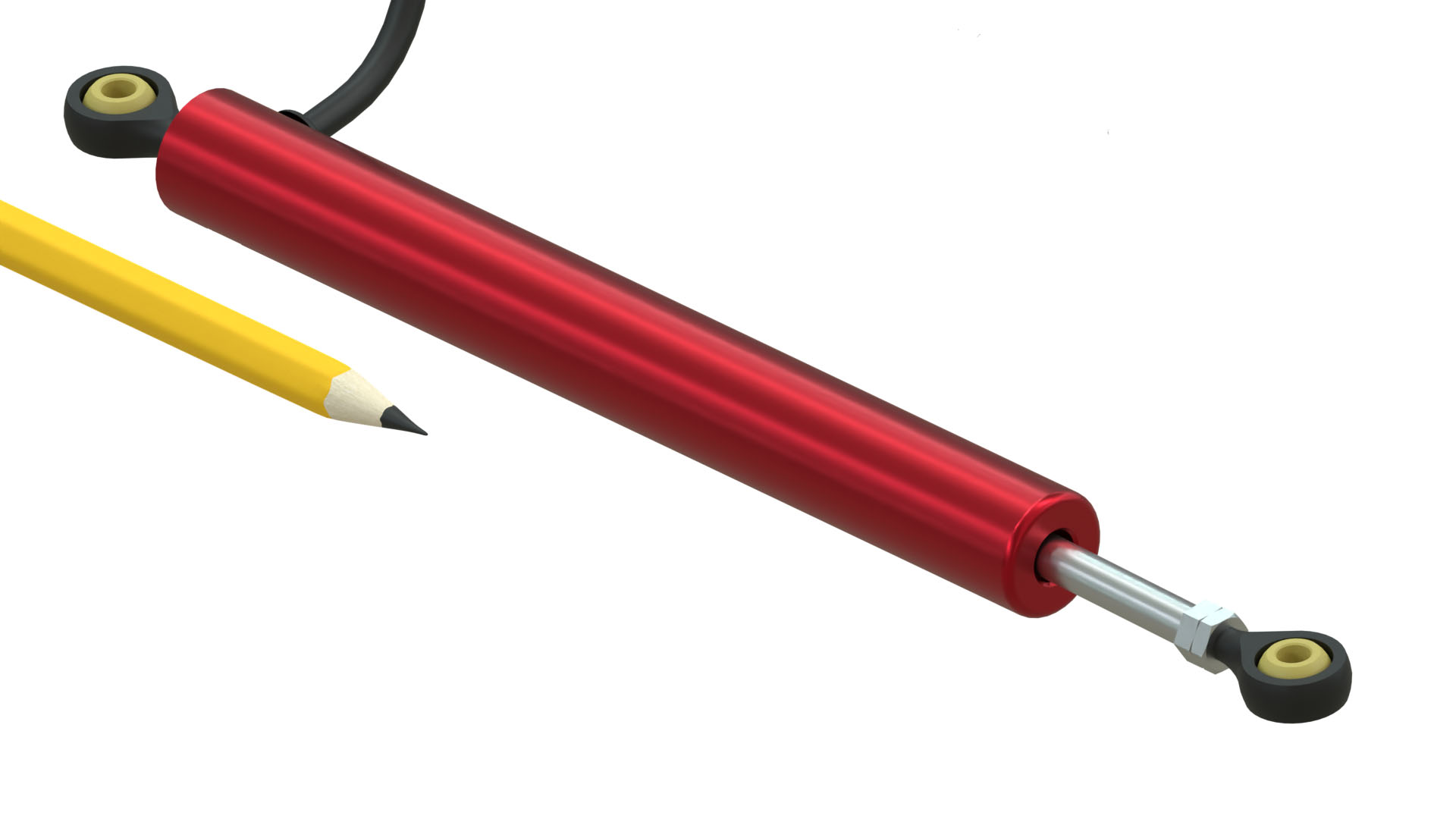
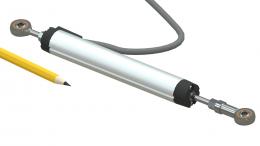
• Linear Variable Inductive Transducer (LVIT)
• Sensing element is contactless, virtually wear-free
• Stroke lengths available from 25 to 200 mm (1 to 8 inches)
• Tested to over 110 million cycles
• Rod End Joints for simple mounting
• Environmental rating of IP67 (Dust tight, Water immersion to 1 meter)
• 0.75" (19 mm) diameter
• A more robust alternative to Linear Potentiometers
MADE IN THE USA
LVIT Technology = a longer life-span than a Potentiometer!
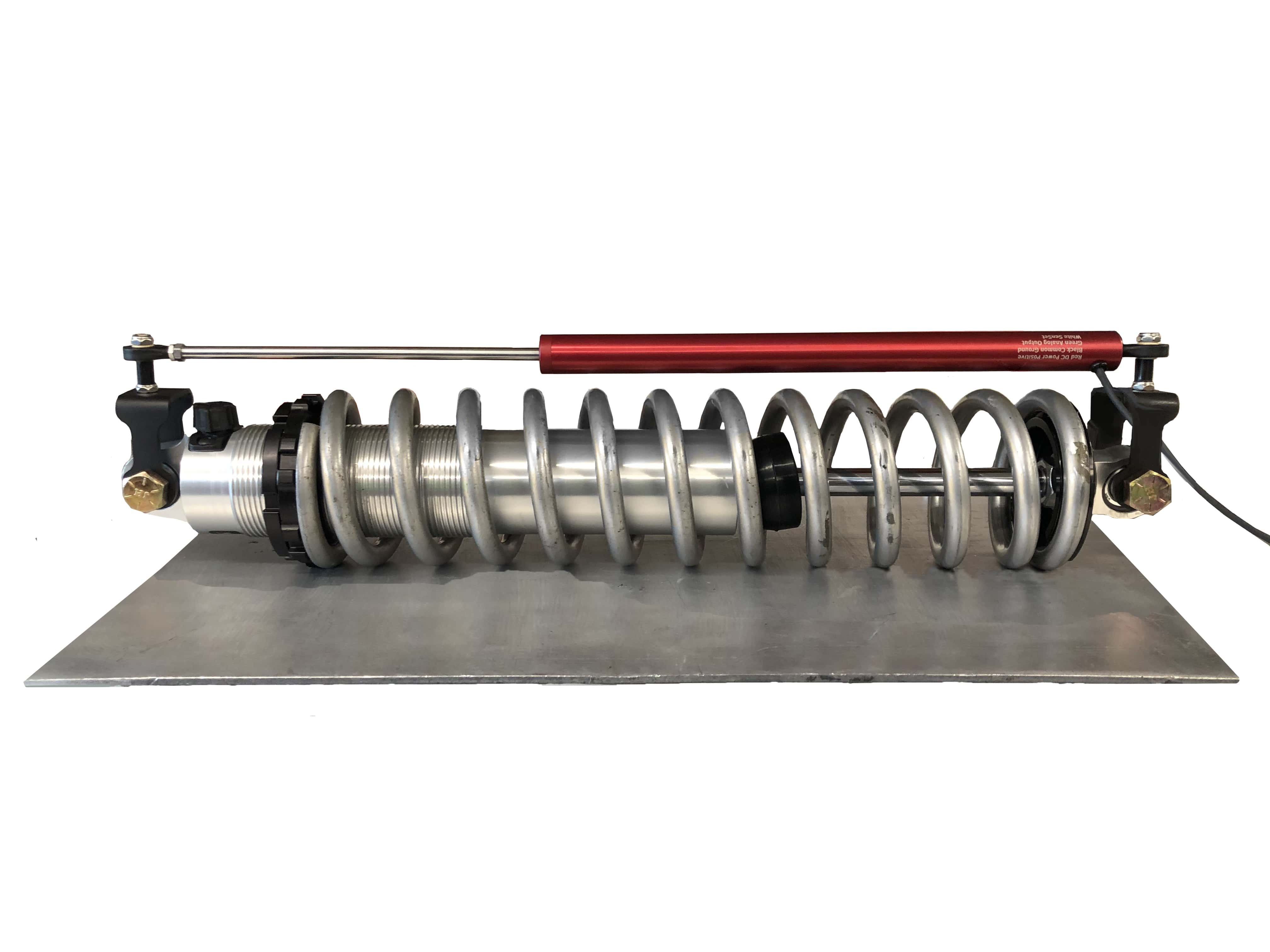
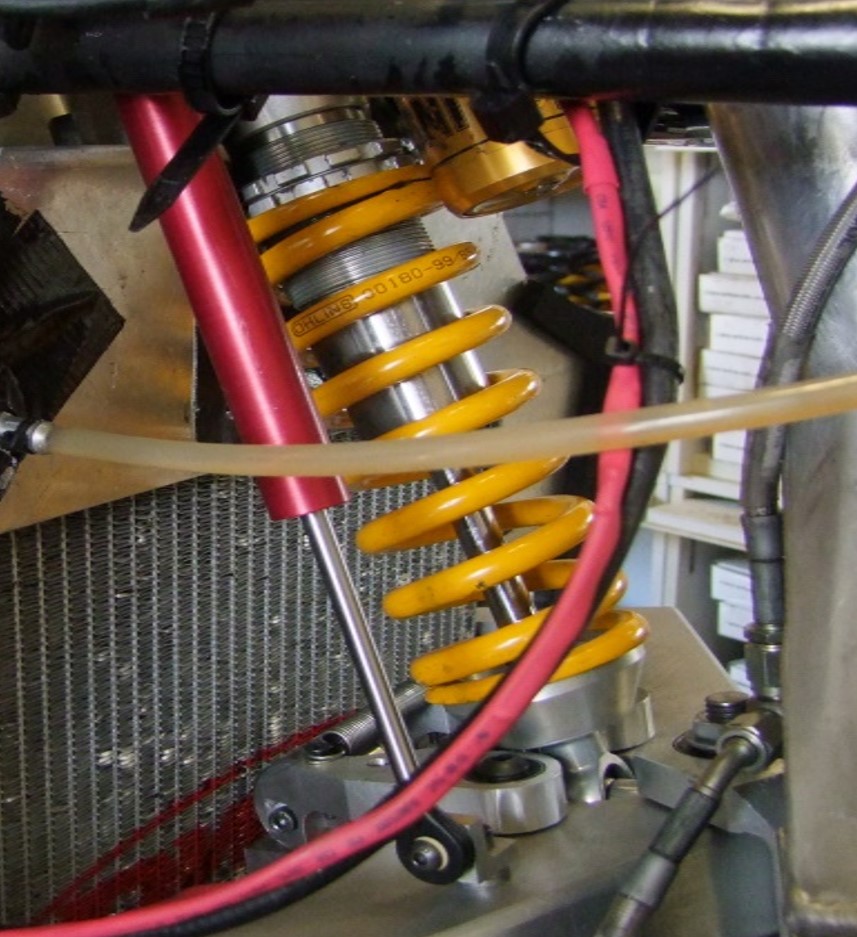
The Sensor Connection ILPS-19 series Linear Variable Inductive Transducer (LVIT) travel sensors are an ideal solution for automotive motorsports applications to measure linear displacement or position changes in automotive components such as suspension systems, throttle position sensors, and transmission linkages.
The inductive coil and spoiler combination is a contactless solution, eliminating the wear and dithering issues commonly experienced with Potentiometer type sensors. The sensor operates on the principle of electromagnetic induction, where a moving metal target rod (or 'spoiler') covers a stationary coil. When the target rod moves, the inductance of the coil changes, which produces an electrical output proportional to the target rod's position.
The LVIT travel sensor has high accuracy, stability, and durability, making it suitable for harsh automotive environments. It is also non-contact, meaning it does not experience wear or tear like other types of position sensors.
The ILPS-19 series sensor is made from industrial duty materials for resistance to dust, water, temperature, shock, and vibration.
Rod End Joint thru-holes are 5 mm in diameter.
We Ship World Wide! Europe, Asia, Australia, South America - Wherever you are, we'll ship to you.
Options:
TECHNICAL SPECIFICATIONS
Stroke Lengths: | 1" (25mm), 2" (50mm) 3" (75mm), 4" (100mm), 6" (150mm), and 8" (200mm) |
Non-Linearity: | +/- 0.15% of full stroke max, +/- 0.10% of full stroke typical |
Resolution: | 0.025% of full stroke |
Repeatability: | 0.025% of full stroke |
Bandwidth: | 300 Hz (3.3 mS) |
Element Type: | Variable Inductive |
Output: | 0 to 5 VDC |
Excitation Voltage: | 8 to 30 VDC |
Current Draw: | ~35 mA (nominal) |
Output Cable: | 4 conductor with drain, 22 AWG, PVC jacket, 3 foot long |
Operating Temperature Range: | -20 to +85°C (-4 to +185°F) |
Thermal Coefficient of Sensitivity: | +/- 0.015%/°C nominal |
Humidity: | 95% Max. RH (non-condensing) |
Liquid & Dust Protection: | IP67 |
Shock Rating: | 1000 g, 11 ms |
Vibration Rating: | 5-20 Hz 0.5 inch p-p; 20-2000 Hz 4.2 g p-p |
Housing Dimension (O.D): | 0.75 inch (19 mm) |
DOCUMENTS & DOWNLOADS
VIDEOS



About - Shock Absorber Suspension Travel Sensor — Inductive LVIT (ILPS-19)
Contactless Inductive Sensing vs. Resistive Potentiometers
The ILPS-19 uses Linear Variable Inductive Transducer (LVIT) technology rather than a resistive wiper element. In an LVIT, the sensing element is a coil whose inductance changes as a conductive spoiler moves within its electromagnetic field. Because there is no physical contact between the moving and stationary parts of the sensing mechanism, there is nothing to wear out during normal operation.
A resistive potentiometer, by contrast, relies on a wiper sliding along a resistive track — a mechanical contact that gradually wears with repeated cycling, particularly in high-frequency applications like suspension travel measurement over extended track use. The ILPS-19 eliminates the primary wear mechanism found in potentiometers, resulting in improved long-term stability and consistent measurement over time.
The contactless design also makes the ILPS-19 more tolerant of side loading and misalignment than contact-type sensors. In suspension applications where the sensor is exposed to vibration, chassis flex, and occasional shock loads from curbing or rough surfaces, this added robustness improves reliability.
Output, Stroke Range, and Installation
Like the LPPS-22 potentiometer, the ILPS-19 is available in stroke lengths from 25 mm to 200 mm to match the travel range of the suspension being measured.
The sensor includes internal electronics and provides a conditioned DC output, eliminating the need for an external signal conditioner. Available outputs include 0–3 VDC, 0.5–4.5 VDC, 0–5 VDC, 0–10 VDC, and 4–20 mA, allowing compatibility with data acquisition systems, ECUs, and digital displays.
The rod end joints on both ends of the sensor accommodate the angular misalignment inherent in suspension geometry, and the same mounting approach applies — install the sensor near mid-stroke at static ride height to use the full measurement range symmetrically through bump and droop.
The 19 mm (0.75") diameter housing is slightly more compact than the 22 mm potentiometer version, which can be beneficial in tightly packaged suspension corners. The housing is sealed to IP67, providing protection against dust and water ingress in wheel well and underbody environments.
The inductive sensing element is inherently resistant to contamination from water, brake dust, and road debris, which can degrade resistive sensor performance over time. Combined with a life expectancy exceeding 100 million cycles, the ILPS-19 is well suited for long-term use in demanding suspension measurement applications.