
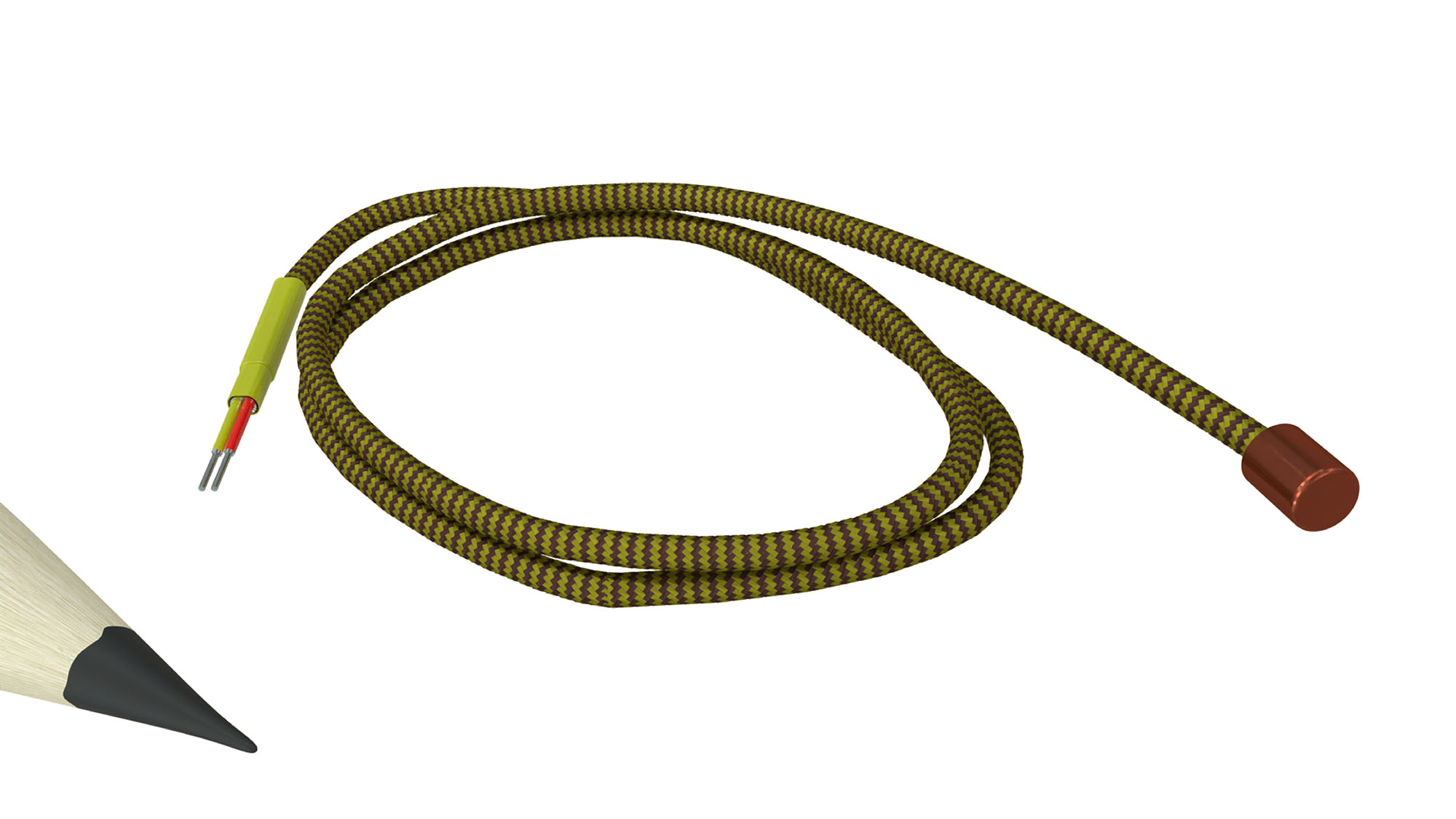
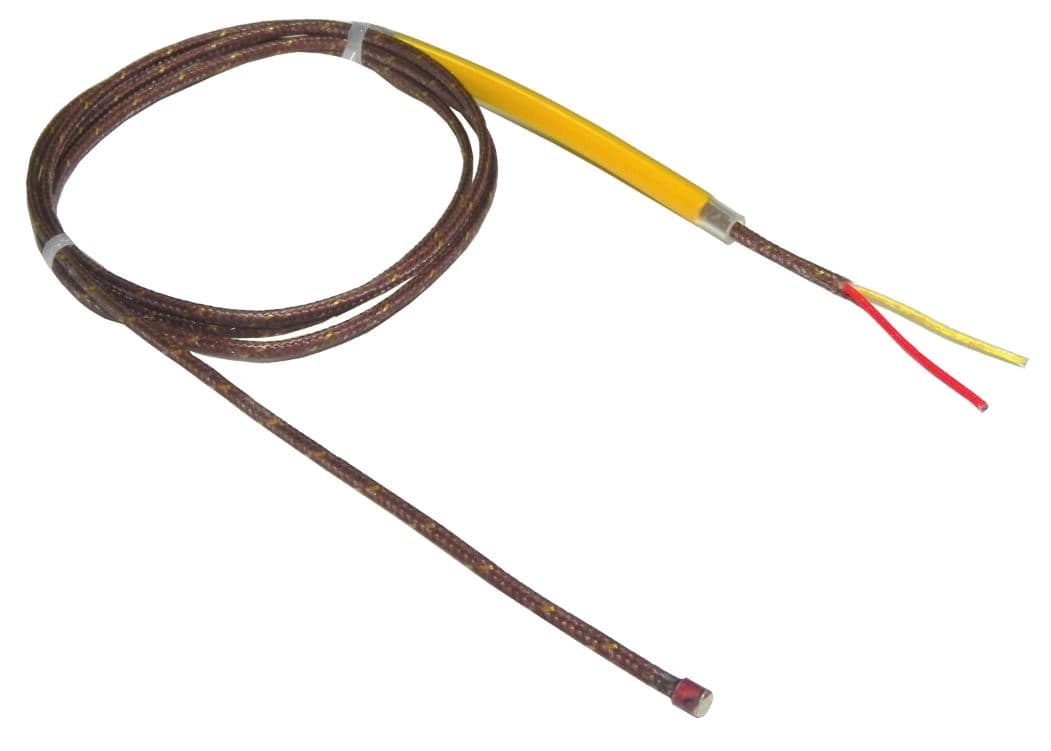
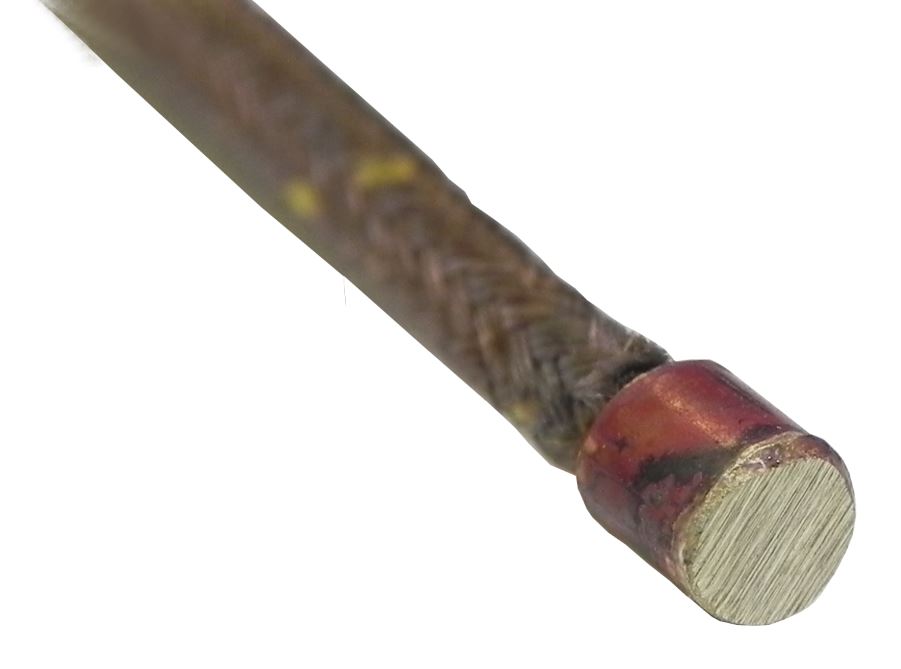
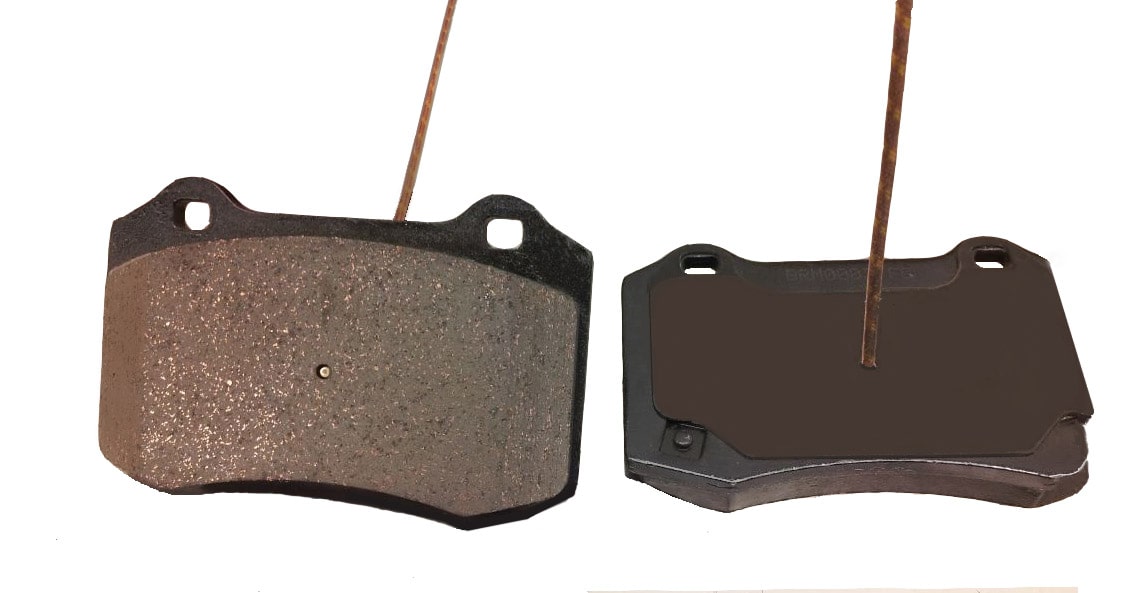
OVERVIEW
• Fast Response
• Type K Thermocouple
• 24 AWG Fiberglass insulated conductors, stranded
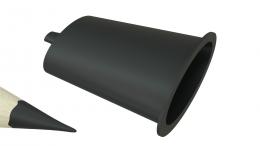
• Embed copper cap into brake pad
MADE IN THE USA
The Embedded Brake Pad Thermocouple Sensor is designed for use in R&D and Motorsports testing of brake pad temperature. The sensor is made in the USA with superior materials, designed to withstand even the most rigorous testing conditions.
The Embedded Brake Pad Thermocouple Sensor is designed to deliver high performance temperature measurements, reliably and consistently. These temperature sensors are designed for Research and Development, test labs, manufacturing engineering and production environments. They can be customized for OEM applications as well.
Installation Instructions:
• Drill thru-hole in pad from backplate side using #31 drill bit (0.120")
• Route wires through hole from braking pad surface side and set cap flush with pad by lightly tapping with a hammer
• Sink cap depth about 1 to 2 mm into the pad surface using a nail set or punch, depth may need to be adjusted as brake pad wears
IMPORTANT NOTE: Please confirm with your instrument manufacturer that the instrument is compatible with a Type K thermocouple sensor.
Options:
TECHNICAL SPECIFICATIONS
Thermocouple type: | Type K |
Sensing Junction: | Grounded or Ungrounded |
Accuracy: | +/-0.4% of reading or about +/- 1.1°C (Special Limits of Error) |
Operating Range: | -40°F to 1470°F (-40°C to +800°C) |
Copper Cap dimensions: | OD = 0.125” x L = 0.150” (OD = 3.2 mm x L = 3.8 mm) |
Response Time: | 500 mS |
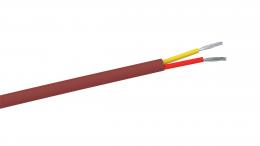
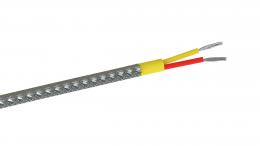
Lead Wire: | 24 AWG Fiberglass insulated conductors, stranded |
DOCUMENTS & DOWNLOADS
VIDEOS
No Result Found
RELATED PRODUCTS
About - Embedded Brake Pad Thermocouple Temperature Sensor
Why Measure Temperature Inside the Brake Pad?
Brake pad temperature tells a different story than rotor or caliper temperature. When a thermocouple is embedded directly into the friction material, it captures the heat generated at the actual friction interface — the zone where pad compound degrades, fade begins, and thermal cracking can occur. Surface-mounted sensors measure residual heat after conduction losses, which consistently underreports peak temperatures during hard braking events.
The BPTC Series uses a Type K thermocouple embedded in a 0.125-inch diameter copper cap, installed directly into the brake pad.
The cap is inserted through a #31 drill hole (0.120 inch) from the backplate side and seated slightly below the friction surface. Positioning the cap approximately 1 to 2 mm below the surface ensures it remains embedded within the friction material throughout the wear cycle, rather than sitting proud of the surface and producing inaccurate readings.
Grounded vs. Ungrounded Junction: What Changes
The BPTC is available in both grounded and ungrounded junction configurations.
A grounded junction bonds the thermocouple conductors directly to the copper cap, creating the shortest thermal path between the friction interface and the sensing element. This provides the fastest response — approximately 500 milliseconds — and is preferred for capturing rapid temperature changes during braking events.
An ungrounded junction isolates the conductors within the cap, reducing electrical interaction with the surrounding system. This helps prevent ground loop issues when multiple sensors share a common data acquisition system. The ungrounded version has a slower response time of approximately 1500 milliseconds.
Response time is defined as the time required to reach 63.2% of a step temperature change.
Materials, Accuracy, and Operating Range
The sensor uses fiberglass-insulated 24 AWG conductors with a fiberglass outer jacket, available in temperature ratings up to 900°F or 1200°F depending on configuration.
Fiberglass insulation maintains electrical integrity in high-temperature environments where standard insulation materials would degrade.
- Accuracy: ±0.4% of reading or ±1.1°C (Special Limits of Error)
- Operating range: -40°F to 1470°F (-40°C to 800°C)
This range covers typical brake pad operating conditions from cold starts through sustained high-load braking.
Installation Notes
Installation is performed with the brake pad removed from the caliper. A hole is drilled using a #31 bit, and the sensor leads are fed through from the friction surface side so the copper cap seats flush. The cap is then tapped lightly to position it slightly below the surface.
This subsurface placement prevents the cap from acting as a wear point against the rotor and ensures consistent measurement as the pad material wears. The sensor is designed for research and development applications where understanding pad thermal behavior is critical.
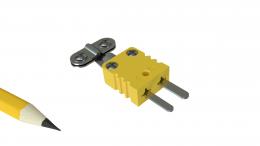
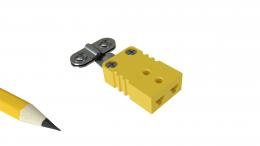
Custom cable lengths and connector options are available for integration with pyrometers, data loggers, or DAQ systems.